
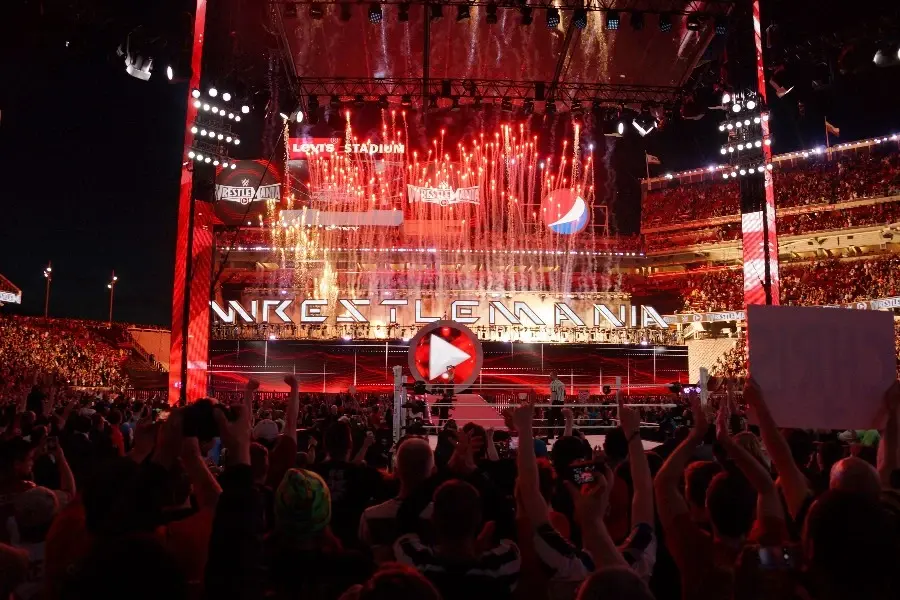
World Wrestling Entertainment, or WWE for short, is today by far the most familiar name in professional wrestling. The company combines sport, spectacle, and pop culture like few other brands — with weekly TV shows, international live events, and iconic superstars whose appeal reaches far beyond the ring. While the matches are scripted, the emotions, risks, and economic impact are very real.
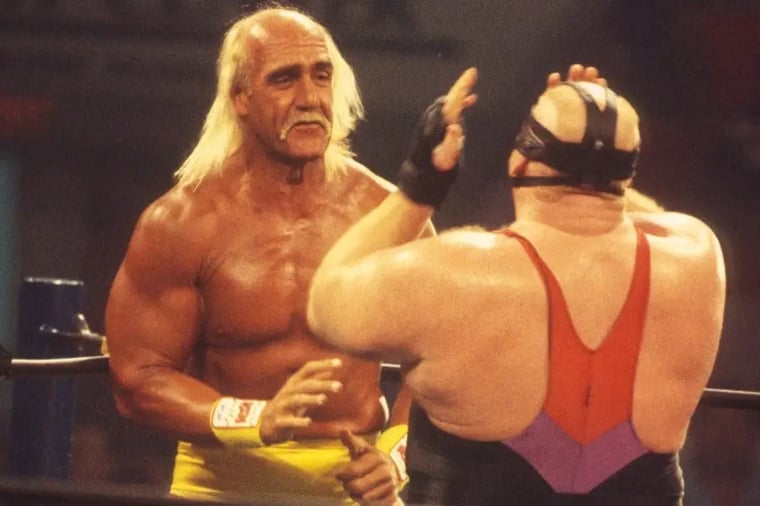
IMAGO / Newscom World / Hulk Hogan Vador 1995.
From Regional Promotion to Global Market Leader
WWE’s roots go back to the 1950s. In 1953, the Capitol Wrestling Corporation (CWC) laid the foundation for what would become today’s empire. That promotion later evolved into the World Wide Wrestling Federation (WWWF), then the WWF, and finally WWE.
A key factor in its rise was national expansion in the 1980s: instead of playing only local arenas, the promotion bet on cable TV, pay‑per‑view, and a tightly produced, fully scripted product. Stars such as Hulk Hogan, “Macho Man” Randy Savage, and André the Giant became the faces of an era in which wrestling increasingly became a mass phenomenon.
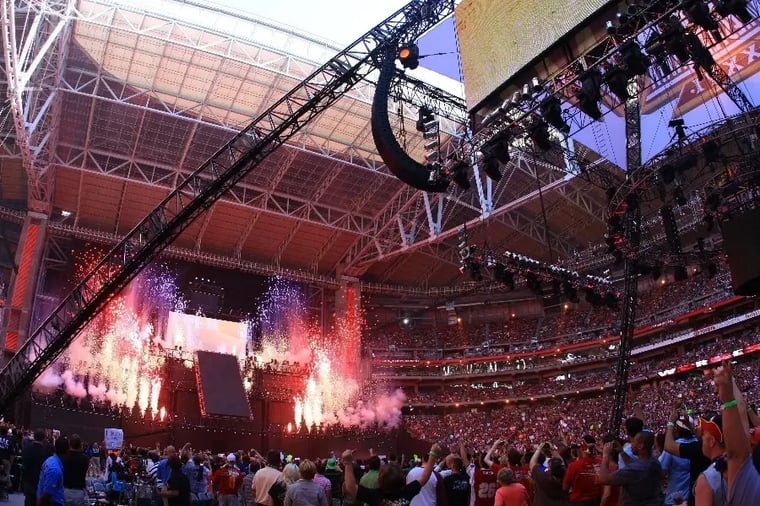
IMAGO / ZUMA Press Wire / The scene at the Phoenix Stadium during WWE Wrestlemania 26.
Brands, Shows, and Structure: Raw, SmackDown, NXT
Today, WWE operates with a clearly structured brand model. The weekly TV shows Raw and SmackDown form the backbone of the programming, complemented by formats such as NXT, which began as a developmental brand for talent from around the world.
- Raw: Traditionally perceived as the “flagship” — a live program with more than 30 years of history.
- SmackDown: The second main show, which has established its own identity — with its own roster composition, look, and storytelling.
- NXT: From talent project to standalone brand, often showcasing the most technically oriented wrestling style and introducing new faces.
Through the “Brand Extension,” WWE splits its superstars across different shows. This creates exclusive matchups, championship chases, and storylines that unfold over weeks and months.
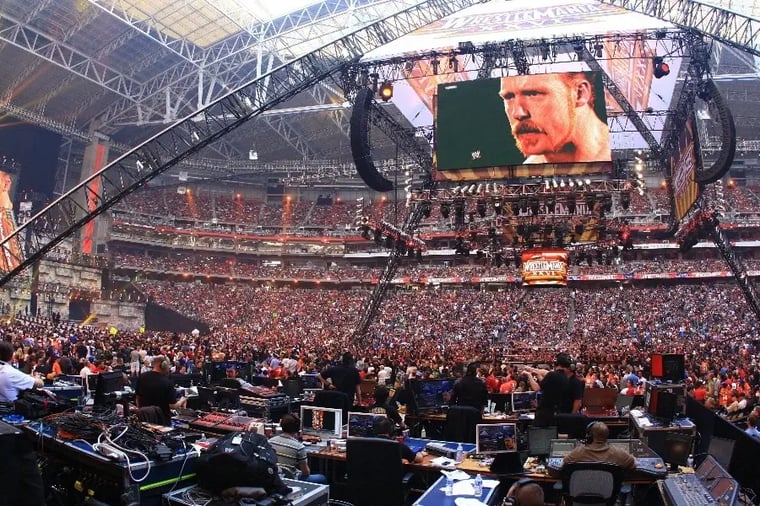
IMAGO / ZUMA Press Wire / Phoenix, Arizona, USA - The scene at the Phoenix Stadium during WWE Wrestlemania 26. WWE 2010 - Wrestlemania 26.
Storytelling in the Ring: How WWE Tells Stories
WWE presents itself as a provider of sports entertainment — a mix of sport, drama, and serialized entertainment. The matches are choreographed and the outcomes predetermined, but the physical strain is real and the stories are driven by genuine emotions.
Typical elements of that storytelling:
- Faces and heels — the classic heroes and villains.
- Long‑term feuds that build over months and culminate at major events.
- Character arcs in which a superstar grows from underdog to champion, or turns from fan favorite to villain.
This hybrid makes WWE interesting for editorial teams and content creators: athletic action meets ongoing narratives — material well‑suited for reports, analyses, highlight clips, and social content.
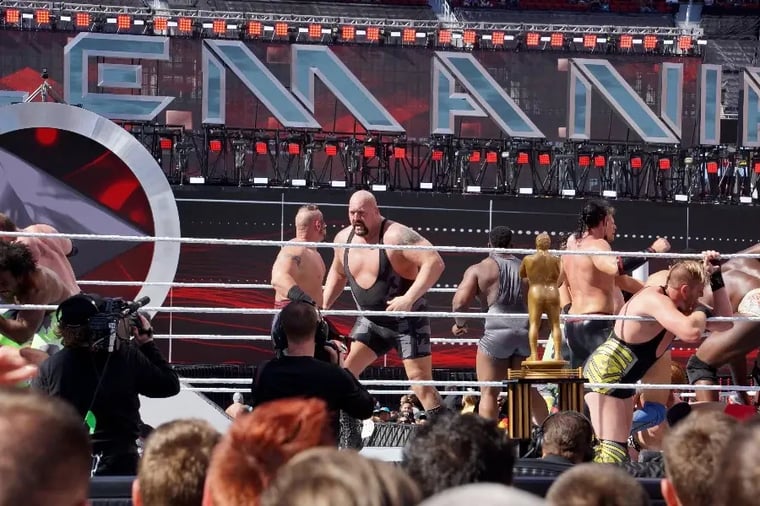
IMAGO / Depositphotos / Andre the Giant battle royal 2015 with WWE Wrestlers Big Show, The Ascension Conner and Viktor, Jack Swagger, and other wrestlers fighting in ring during match at Wrestlemania 31 at the Levi's Stadium.
Career Highlights of WWE’s Biggest Stars
WWE’s history is inseparable from some of the most famous names in wrestling. Their careers are milestones that reflect the promotion’s evolution.
- Hulk Hogan defined the 1980s with his larger‑than‑life character, legendary catchphrases, and WrestleMania moments, such as his clash with André the Giant.
- The Undertaker stands almost unmatched for longevity: for decades he embodied his dark persona; his winning streak at WrestleMania remains one of the company’s biggest myths to this day. Wikipedia
- “Stone Cold” Steve Austin became the face of the Attitude Era — rebellious, loud, against his own boss. His feud with Vince McMahon made Raw a consistent ratings driver in the late 1990s.
- The Rock achieved the rare leap from wrestling star to global film superstar. His WWE tenure — with legendary promos, the “The Rock” persona, and major WrestleMania matches — nevertheless underpins his legend.
- John Cena became the defining figure of the PG Era in the 2000s and one of the most successful champions of all time. Together with Ric Flair, he holds the record of 16 officially recognized world title reigns in WWE. Wikipedia+1
- Roman Reigns represents the younger generation: from a polarizing babyface he evolved into the dominant “Tribal Chief,” shaping a long championship reign that headlined the main events of the major shows.
These careers offer countless angles for highlight features, retrospectives, career profiles, and social clips — from iconic debuts and title wins to spectacular retirements.
WrestleMania and the “Big Five”: Events with a Super Bowl Character
The centerpiece of the WWE calendar is WrestleMania. Since 1985 the spectacle has been held annually and is regarded as the “Super Bowl of Sports Entertainment.” Stadiums with tens of thousands of fans, storylines built up over months, and appearances by international stars make the event a global media phenomenon. Wikipedia+1
In addition to WrestleMania, there are other major events considered the “Big Five”:
- Royal Rumble — featuring the eponymous battle royal match type, in which the winner usually earns a title match at WrestleMania.
- SummerSlam — the “biggest event of the summer,” often with spectacular open‑air backdrops.
- Survivor Series — traditionally characterized by team matches and factions.
- Money in the Bank — with the ladder match for the coveted briefcase that guarantees a spontaneous title match.
For publishers, these events provide fixed peaks in the content calendar: previews, live coverage, recaps, and long‑form analyses regularly reach large audiences — in classic news environments as well as on social platforms.

IMAGO / Depositphotos / WWE wrestler Sting Stands in ring as Triple H makes entrance with Terminators before match at Wrestlemania 31 at the Levi's Stadium.
Women’s Wrestling and the “Women’s Evolution”
For a long time, women’s matches in WWE were treated more as sideshows. That has fundamentally changed in recent years. Under the banner of the “Women’s Evolution,” a distinct, high‑caliber women’s division emerged with its own main events, title stories, and match innovations.
Superstars like Trish Stratus and Lita paved the way, while Charlotte Flair, Sasha Banks, Becky Lynch, and Bayley shaped the new generation — including historic milestones such as the first women’s Hell in a Cell match and women’s main events at major shows. Wikipedia
For media companies and creators, this is an important aspect: WWE reflects broader social debates about equality and representation — with strong protagonists who build their own fan communities.
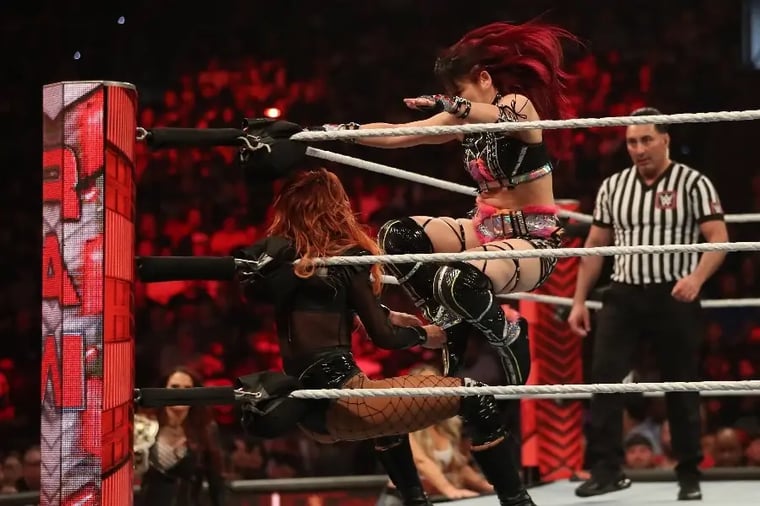
IMAGO / ZUMA Press Wire / Alejandro Salazar / Becky Lynch and Iyo Sky fighting during WWE WrestleMania RAW at the Footprint Center on March 27, 2023 in Phoenix, Arizona, United States.
Business Model, Media Strategy, and Streaming
WWE is not just a promotion but also a media company. The business model rests on several pillars:
- TV and streaming rights for Raw, SmackDown, and other shows.
- Premium Live Events, broadcast worldwide via partners and platforms. WWE
- Merchandising — from T‑shirts and action figures to video games.
- International live tours in Europe, South America, the Middle East, and Asia.
By launching its own streaming platform and later integrating its content into major streaming services, WWE anticipated the shift from traditional pay‑per‑view to on‑demand models. For publishers, that means more available content, more highlight material, and more opportunities for clip‑based reporting.
Criticisms and Challenges
Despite all its success, WWE regularly faces criticism. Topics of discussion include:
- Workload and health of performers given tightly scheduled touring plans.
- Handling of character rights and performers’ creative freedom.
- Pre‑scripted stories and outcomes — for some fans part of the appeal; for others a barrier to taking wrestling seriously as “sport.”
- Balancing family‑friendly orientation with depictions of violence, blood, or risky stunts is a recurring issue.
For journalistic formats, this ambivalence offers a compelling angle: WWE is a global entertainment product — but one with real people, real careers, and concrete economic and ethical questions in the background.
WWE in Pop Culture: More Than Just a Promotion
Over the decades, WWE has visibly shaped pop culture. Catchphrases, theme songs, and iconic moments are part of a collective memory — from “Hulkamania,” to the glass shatter of “Stone Cold,” to The Rock’s famous “If you smell…”. Stars like The Rock, John Cena, and Batista made successful transitions to Hollywood, ensuring WWE faces regularly appear on red carpets, in talk shows, and in blockbusters.
For content creators, this opens up many formats:
- Nostalgia content (“Remember when…?”)
- Career comparisons across generations
- Crossovers with film, series, music, or gaming
WWE is thus a steady supplier of stories — not only for sports desks but also for entertainment and culture journalism.
WWE as a Permanent Content Engine
WWE is far more than just a wrestling promotion: it is a global entertainment ecosystem with its own history, aesthetic, and storytelling rhythm. From its beginnings as a regional promotion, through the TV revolution of the 1980s, to the streaming era, the company has repeatedly reinvented itself — while also producing iconic careers that have accompanied fans for decades.
For blogs, news sites, and social channels, WWE therefore offers a steady source of content:
- Historical retrospectives and career highlights of major stars
- Current analyses of shows and events
- Background reporting on business, storytelling, and cultural impact
Those who understand wrestling for what it is — an ongoing series blending sport, drama, and pop culture — will find in WWE a stage on which new stories emerge almost every week, ready to be told, discussed, and produced.
IMAGO: Image Content and Licensing — concise and fact‑based
IMAGO works with an international network of partner photographers, agencies, and archives, providing image and video content across Sports, News, Entertainment, Creative, and Archival material. IMAGO has no in‑house photography and does not guarantee exclusivity; instead, it provides clear and flexible licensing models. These include Rights Managed, Royalty Free Classic, and Royalty Free Premium. Each license precisely defines how, where, and for how long content can be used; copyright remains with the respective photographer or agency.
For non‑editorial uses, Model or Property Releases are required where applicable; without these, use is editorial only. IMAGO supports filtering by license category and indicates release status in the metadata only for Creative (stock) images that may be used commercially; Editorial images do not contain release information in their metadata. Access is available via the webshop — either single purchases or credit packages — or through personal consultation with Sales Managers. If a client intends to extend an Editorial image for non‑editorial (commercial) use, the client is responsible for clearing any third‑party rights (e.g., depicted persons, trademarks, properties). “Images are licensed for editorial use; commercial use requires a corresponding license (non‑exclusive).”
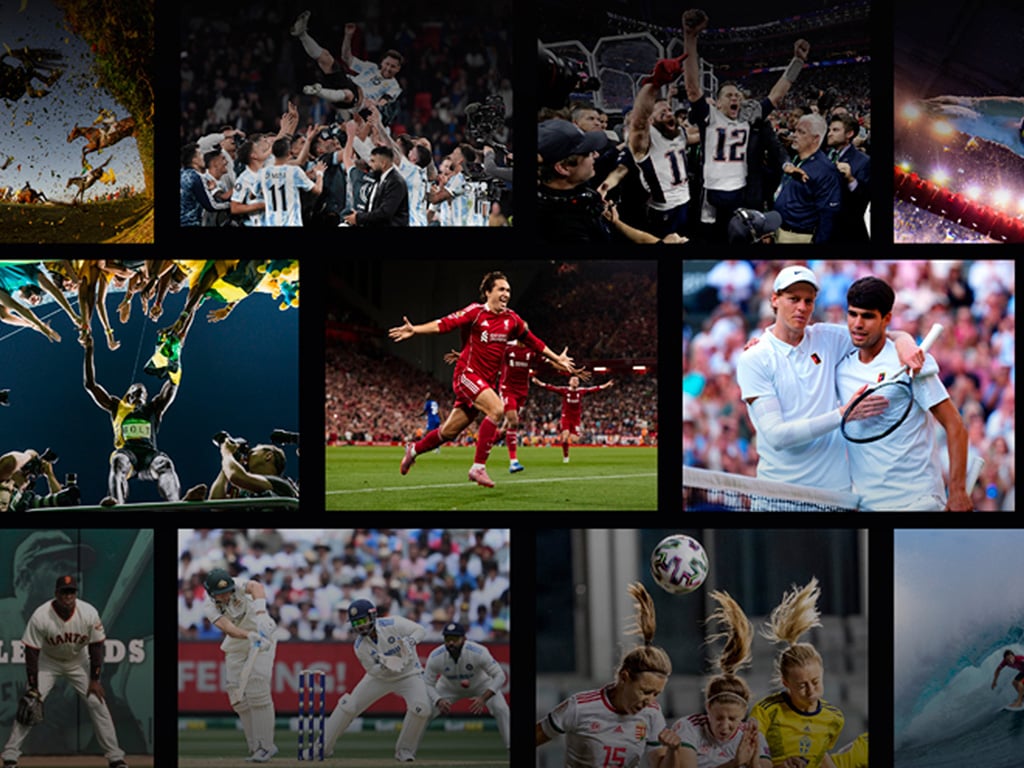
License Sports Images Tailored to Your Needs
Real-time editorial sports images across all major sports, including football, F1, tennis, and more, plus access to the largest editorial sports archives. Flexible licensing and fast support in Europe and worldwide.
Learn more